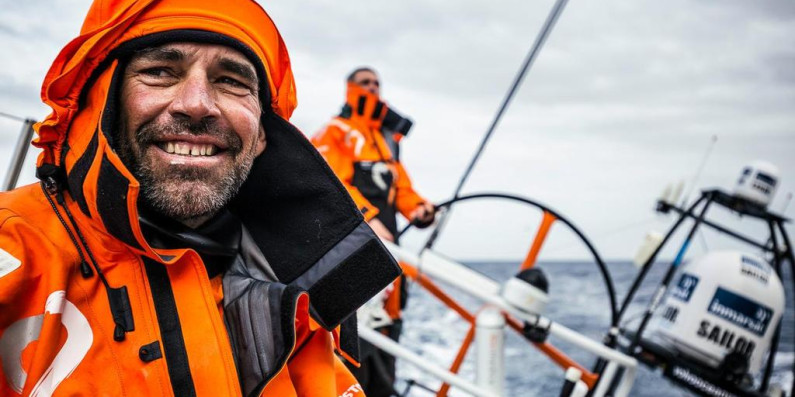
When your office is the ocean: trash tales from an ocean racer
When your office is the ocean and your job is to make a boat consistently fast, ocean debris is not only dangerous, it can slow you down says Kiwi Volvo Ocean Racer Stu Bannatyne.
When your office is the ocean and your job is to make a boat consistently fast, ocean debris is not only dangerous, it can slow you down says Kiwi Volvo Ocean Racer Stu Bannatyne.
Auckland-based Stu is regarded as one of the world's best heavy-weather helmsmen and is in his element in waves the size of apartment blocks and strong, cold winds that blow for days on end. With nearly 30 years and several around the world ocean races under his belt, Stu says plastic pollutants like broken fishing nets have hampered their efforts more than once. “We have to send someone in to unwrap it from the keel and this slows us down a lot.”
Broken fishing nets are the most common type of trash he encounters in the ocean. It makes sense given fishers are the people who populate our oceans more than anyone else.
Where there are people, there’s trash. Stu’s heartened by the relatively clean state of the Southern Ocean where seldom anyone goes, but is disappointed at the increasing amount of trash he sees in more populated areas. His message is simple: think about the consequences of what you do. You think throwing out rubbish on the land is harmless, but it makes it's way out to the ocean sea and you end up swimming in your own trash.”
The sight of dead cows floating in water in an Indian estuarine river sticks in Stu’s mind. “The dead animals inevitably end up in the sea.” says Stu.
When the Volvo Ocean race takes place, it’s not just human-created debris affecting the epic ocean round-the-world race. Stu says the course of the race has changed to avoid increasing amounts of icebergs floating in the North Atlantic in particular. The bergs are ice broken off shelves due to warmer temperatures caused by climate change.
“I’m very keen to avoid the icebergs, but it does make the race less spectacular and exciting for us when we can’t go too far north where there’s increasing danger in colliding with them.”
Stu says it’s definitely windier since he began racing nearly 30 years ago. “While I can’t be sure it’s climate change, it’s the most likely culprit.”
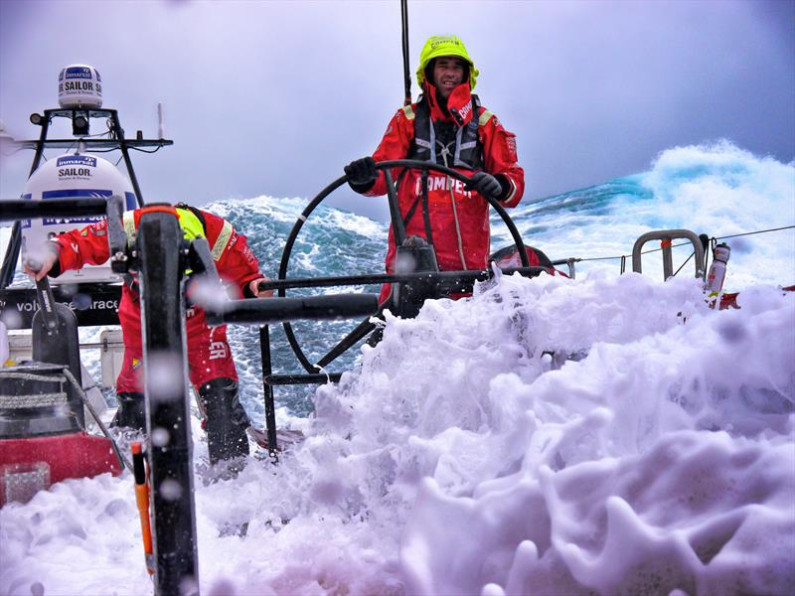
Not content to just sit back and watch the ocean environment deteriorate, the Volvo Ocean Race has used the international attention it receives as a platform to focus attention on more sustainable oceans and the ability to turn pollution around.
The Volvo Ocean Race has hosted several Ocean Race Summits. Stu attended one in Genoa, Italy in September 2019 and heard real-life examples of a business converting discarded fishing nets to make carpets.
“I’ve been blown away by the amount of work that they do. It’s not just a talkfest.”
Find out what the Volvo Ocean Race is doing to make our oceans more sustainable [The ocean race website]
Back in New Zealand, MfE and other agencies are addressing plastic and waste pollution. Plastic microbeads and single-use plastic bags are banned and last year the Government consulted publicly on proposals to phase out certain hard-to-recycle plastics and single-use plastic items. There will be policy decisions on this later this year but its proposed phase-outs happen by 2025 with some earlier.
MfE also funds projects via the Waste Minimisation Fund. This includes Sustainable Coastlines which uses citizen science to gather beach litter data so we can better under litter and waste issues.
All this work helps prevent plastic waste going into our waterways and oceans.