Update for the rural community - May 2023
Find out what's happening in this update for the rural community. It includes items on winter grazing and freshwater farm plans.
Find out what's happening in this update for the rural community. It includes items on winter grazing and freshwater farm plans.
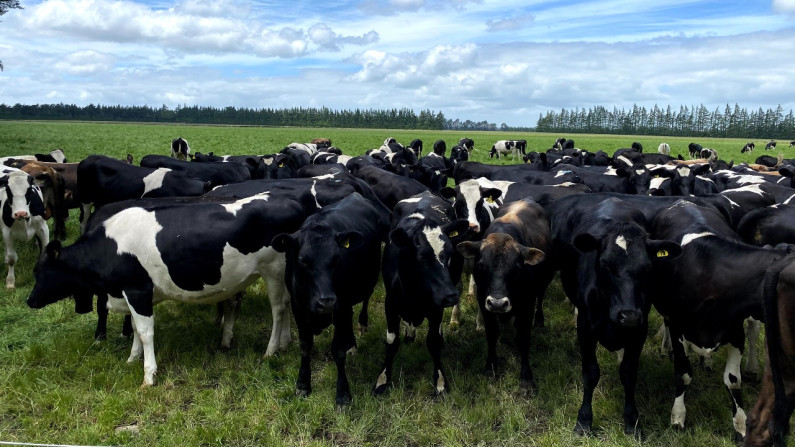
It’s early days in the intensive winter grazing season (May 1 to September 30), with signs that farmers have aligned with the permitted activity conditions in the regulations that came into effect last November.
Councils in regions where winter grazing is common have reported lower-than-anticipated applications for consents.
This is, in part, due to many farmers having improved their crop-planting practices in preparation for this winter, removing the need for a consent.
Education material and an intensive winter grazing module (developed by MfE, MPI, key sector groups and regional councils) have assisted farmers to make changes, as have industry assurance programmes.
Collectively, regional and unitary councils have produced a series of winter grazing frequently asked questions. Some councils have developed advice and resources for farmers, including check-sheets, winter grazing plan templates, and have held workshops on consent requirements, with input from sector organisations.
Figures to date show councils across Waikato, Manawatū/Whanganui, Canterbury, Otago and Southland have granted around three-quarters of the winter grazing resource consents applied for, in their regions, this season.
“It’s heartening to see so many farmers are ahead of the game when it comes to protecting waterways in and around their catchments by meeting the permitted activity conditions for winter grazing”
“When done poorly, winter grazing can have negative effects on animal welfare.
“The environment also suffers when crops are planted on unsuitable slopes or stock are grazed too near streams and waterways that are then contaminated by runoff from the paddocks.
“The feedback we’re getting from some regional councils is that critical source areas and the slope of land chosen for intensive winter grazing are the main reasons farmers are applying for a resource consent.”
The farm operator will need to show, however, that any adverse effects caused by winter grazing are no greater than those allowed for under the permitted activity (default) conditions.
For further information about winter grazing in your region, contact your regional or unitary council.
Dr Ross Monaghan, a senior scientist at AgResearch, is a leading expert on the impacts of animal wintering on soil and water quality.
In an earlier article published in Farmers Weekly he and the Ministry for the Environment shared some of the latest thinking regarding intensive winter grazing.
“The intensive winter grazing regulations recognise the need to focus on areas that are prone to contaminant loss, in order to reduce waterway pollution. Winter grazing typically sees high stock densities grazing at a time when the land is least able to handle the activity.”
This greatly increases hoof damage to soil (pugging) and can potentially result in significant nutrient, sediment and faecal microorganism discharge into surface or ground water.
As a result, winter grazing areas are hotspots for sources of contamination, making them “low-hanging fruit” opportunities for reducing waterway pollution.
Read more about the science behind the winter grazing rules [FarmersWeekly website]
The gazettal (notification) of the freshwater farm plans regulations is expected within a month.
Following notification, the regulations will be turned on a couple of months later in Waikato and Southland, with other regions to follow. Councils will have input into the schedule for freshwater farm plan rollout catchment by catchment.
The Ministry for the Environment has been working closely with Te Uru Kahika (Regional and Unitary Councils Aotearoa), as well as specifically with Waikato and Southland councils to ensure all with a role to play are ready for the regulations and that plenty of support and guidance will be available.
MfE staff will also be at National Fieldays in June as part of the EPA Sustainability Hub – drop by if you want to find out more about freshwater farm plans or other regulations relevant to the rural sector.
We encourage farmers and growers to watch for freshwater farm plan updates in newspapers and online, as well as from their regional council, MfE, MPI, farm adviser or industry body. The freshwater farm plan system will be turned on across the whole country by 2025.
If you already have a farm environment plan or are part of an
industry assurance programme, keep doing what you are doing. We have been working with industry groups and providers to help them
update their programmes.
Take the time to understand your local waterways, not only on your
farm but within your catchment. Taking action now to address farming risks and effects will be rewarded when the time comes for you to develop your freshwater farm plan.